

What Are Problems For?

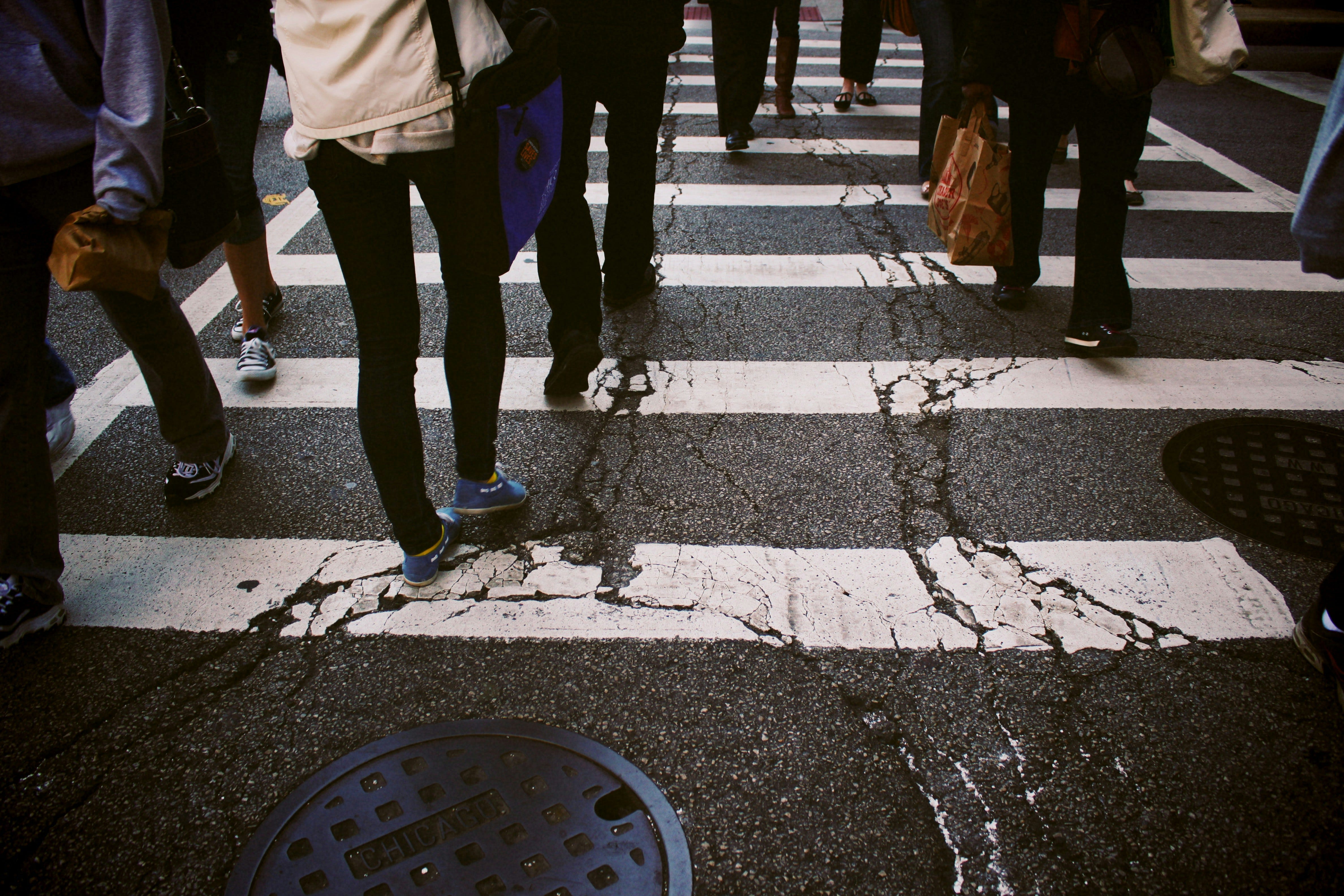
When I was four or five, while walking to the local shops with my mum, I’d play a game where I tried not to step on the cracks in the pavement. I’m not sure where I first got the idea; maybe it was passed down by an older school friend. But to me, a good outing meant making it home without stepping on any cracks.
Did you ever do this? Apparently, it's a form of magical thinking that's developmentally normal in childhood, in which kids believe their actions can control uncertain outcomes.
We often try to sidestep problems well into adulthood. After all, what are problems if not evidence of poor judgment, bad decisions, and inadequate planning on our part? When things go wrong, we think we should have known better or done differently. We convince ourselves that progress requires a succession of frictionless days.
But what if we’re seeing it all wrong?
The truth is, we aren’t shaped by the days when everything goes smoothly. We grow from the challenges we didn’t see coming - the burst pipe in winter, the job interview we bombed, or the plan that falls apart at the last minute.
These aren’t just obstacles to get past on the way to what matters. They are the making of us.
Think about the stories you tell your friends, the moments that shaped your career, or the experiences that made you who you are. How many of those went perfectly? We remember the tough times because they made us more resourceful, resilient, and creative.
Problems push us to grow.
When we face a setback, we have a choice. We can blame ourselves and play it safe, or we can step into the unknown. Playing it safe keeps us stuck, but taking a risk helps us stretch.
When we were learning to walk, we fell, got up, and fell again. Each fall taught us something. The challenge of balance didn’t stop us from walking; it’s what made walking possible.
It’s the same for us with work and in life. A failed pitch teaches us how to read a room. A product launch that doesn’t work out shows us what we don’t know about our customers. When a friendship ends, we learn what we truly value in relationships.
We can’t plan these lessons in advance or learn them from books. We have to be in the mess with them, experience setbacks, and take risks.
This doesn’t mean we should always be on the lookout for problems. But it does mean we can stop seeing every problem as a sign that we’re off track. Sometimes, the problem is the path.
The real question isn’t if we’ll face tough times - we will. The question is whether we’ll learn from what our hardest days ask of us.
The smoothest, straightest path doesn’t lead to the most interesting destination. It’s the roadblocks, the detours and the moments when we had to improvise and adapt that give our journey meaning.
It turns out that problems aren’t just obstacles to avoid. They are chances to be brave when we’re scared, to get creative when we’re stuck, and to ask for help when we need it.
Maybe instead of thinking we should avoid problems at all costs we could ask ourselves, ‘What is this problem asking of me?’
The answer might just be the compass we need.
“These aren’t just obstacles to get past on the way to what matters. They are the making of us.” 💕💕💕
I remember the crack game as well. Lava was a popular imaginary pitfall linked to the cracks.
Your words highlight for me how much good conversation and wisdom is rooted in dancing with problems. They seem to be the spice of existence, don't they?