

The Empathy Question

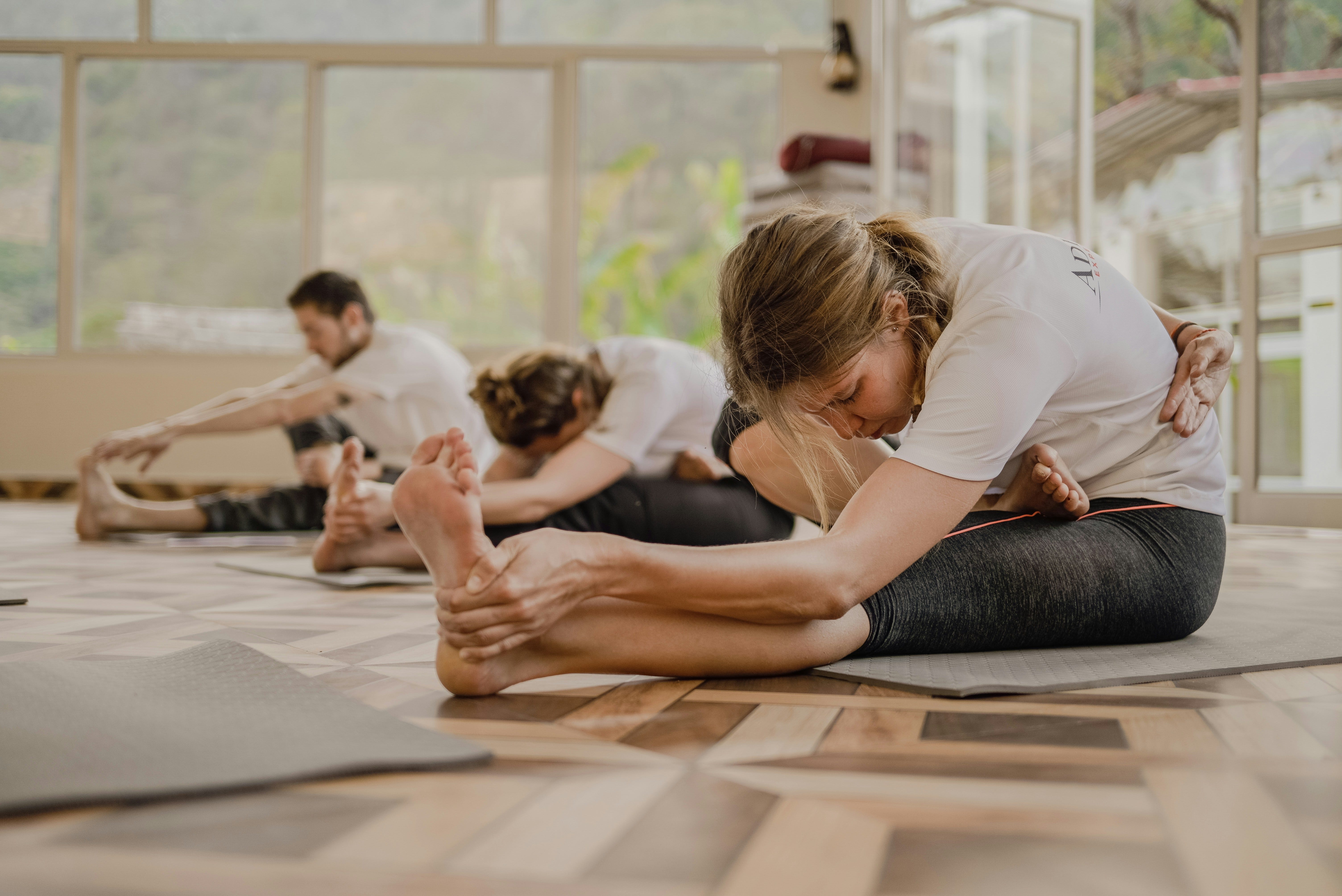
Group exercise classes have a culture of their own – unwritten rules, unspoken hierarchies, human nature amplified under fluorescent light. People claim their spot in the room. They connect, or they don’t. They become more motivated in the presence of others who, week after week, stop being strangers.
I go to the same Pilates class several times a week, and I know the regulars now, not always their names, but their faces, their habits, the fragments of life they let slip before the warm-up. The man beside me disappears some weeks to care for his ninety-year-old mother in the country. The woman next to him modifies every move since a knee surgery that didn’t go as well as expected.
And then there’s the woman who is always late.
She arrives after warm-up has started, weaving through mats to reach her usual place. Her phone lights up mid-class; sometimes she leaves the room to take a call. When an instructor reminds her of the rules, she scowls and snaps at them. More than once I’ve overheard other members complaining about her afterwards. I won’t pretend I haven’t been tempted to join in.
What stops me isn’t patience. It’s a question.
Why?
Why is she always running late? Why can’t she put the phone away for forty-five minutes? Why does she bristle at rules everyone else accepts?
I remind myself that I don’t know her story. And I probably never will. Empathy doesn’t require an answer. It only asks that we’re willing to lead with curiosity instead of judgement.
It’s easy to save empathy for people whose stories already make sense to us, people who remind us of ourselves. Much harder to extend it to people whose actions we simply do not understand – people who are nothing like us.
The woman who’s late doesn’t need our approval. She needs, at the very least, our curiosity, which costs us nothing, while judgement costs us peace of mind, one uncharitable thought at a time. Asking why doesn’t excuse the disruption. It just interrupts the story where we’re right, and she’s simply difficult.
Once we start asking why in one room, it’s hard to stop asking it everywhere.
Of the colleague who’s short in meetings. The driver who cuts us off. The person who is, for reasons we don’t yet know, always running late and living with the consequences.
We can also turn the question on ourselves. Why did I snap at my kids this morning? Why have I been putting off that phone call? And in this way we can offer the same curiosity and grace we extend to others to ourselves.
Empathy is never about having the answers. The real empathy question isn’t whether someone’s earned our patience – it’s whether we’re willing to ask why they need it. That’s a muscle every one of us already has. And like any muscle we’re trying to build, it takes practice.
Thank you, Bernadette. When I offer empathy, even if only in my thoughts, I am so much less annoyed, aggrieved, troubled in spirit. And, yes, I judge myself less harshly when I inevitably, humanly, fall short of my own standards.
Bernadette – today’s post warrants an emptying of my inventory of descriptors:
This one is a gem, a keeper, because it's a meditation with the power to change a person’s heart.
I just need a mantra to carry this lesson with me. I’m thinking I should be telling myself, “Wonder, not censure,” but I’m open to better offers.