

How Matters

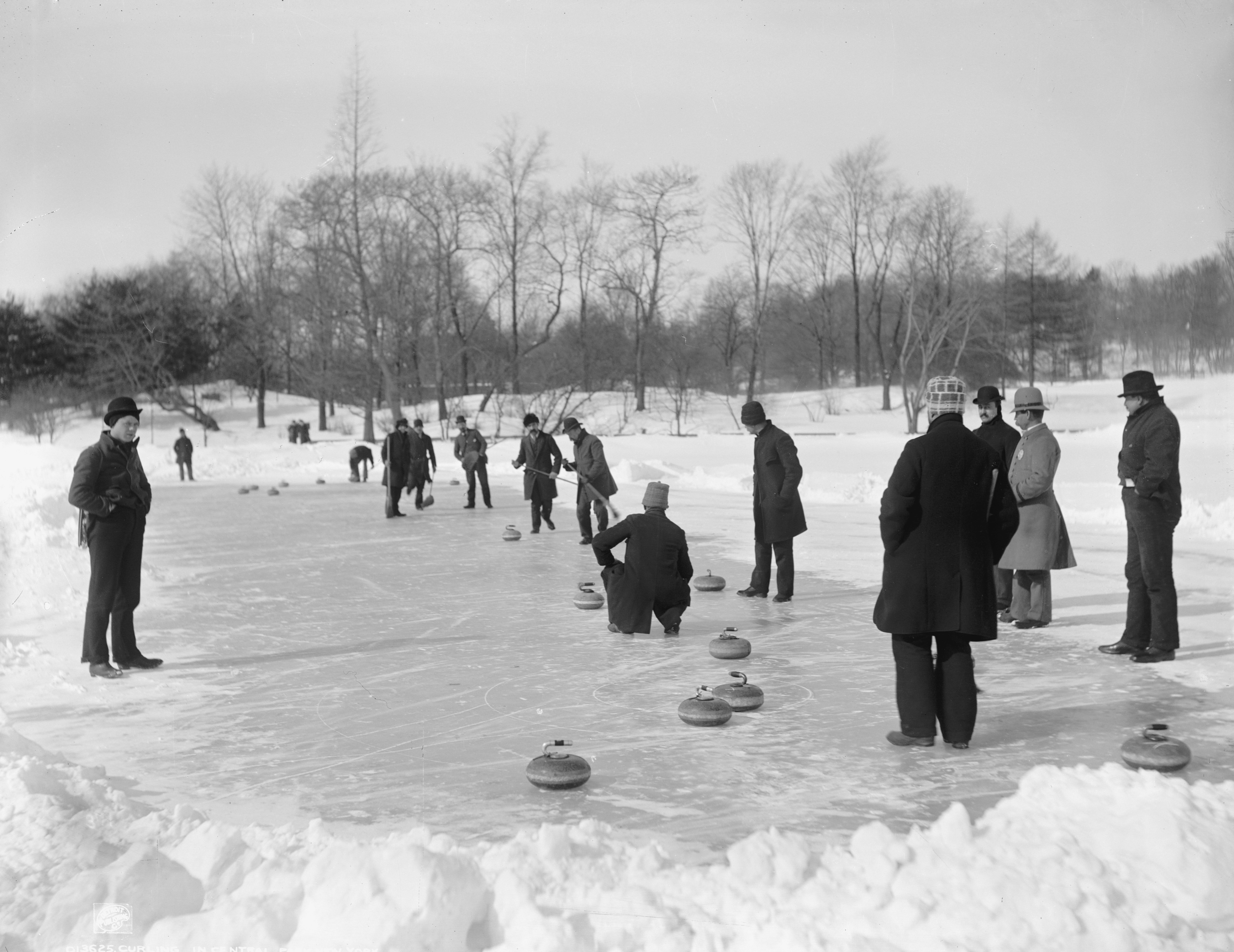
Many people had never heard of the sport of curling before this week. I first came across it in the late eighties when I lived in Scotland, where the sport first originated. Curling is one of the oldest team sports. It’s built on an honour code of integrity and respect, values that were integral to the game long before anyone thought to write them down. This is why the 2026 Winter Olympics curling scandal seemed all the more shocking.
In curling, players call their own fouls, and in doing so, players are expected to care less about being on the winning side and more about how the game is played. This spirit seems at first glance an odd thing to build into a sport, and simultaneously the most human act imaginable.
And yet during this Olympic match between Canada and Sweden, something shifted.
Under pressure to win, competitors didn’t just defend their actions — they lost sight of the spirit of the game.
We’ve all felt that urge to bend the rules to suit ourselves, to make a small compromise or to take a shortcut that seemed harmless at the time. These decisions feel practical when we make them. Necessary, even. We tell ourselves we’ll course-correct later, once the pressure eases, once we get over the line. But the compromises add up. Somewhere along the way, we lose sight of how we got over that line. And so the cycle continues.
When everything is reduced to outcomes, we begin, little by little, to lose sight of our humanity. We chase the medal or the metric, forgetting that these are only shadows – distant echoes of a thousand small choices that shape us. It’s those choices that inform the way we show up when nobody’s watching and tell us who we really are.
Even in competitive spectator sports, we rarely remember the final scores. Instead, what sticks in our mind is how the game was played. We struggle to remember who scored the goals in the 1998 football match between England and Argentina, but we’ll never forget the reason David Beckham was sent off.
Every decision, however small, is a testament to what we value. And how we show up doesn’t just reflect our character, it shapes the culture we create.
Over time, even gold medals will tarnish, and world records will be broken. What endures is how you competed and contributed. In the end, the choices you make when nobody is keeping score are the only record worth chasing.
Love it Bernadette!
I believe “choice” lies in the space between stimulus and response. I’m unaware of the curling scandal, but hyper-aware of the stimulus patterns through my coaching practice. If someone cheated their “stimulus” was a nervous system triggered by “something”. That then set of a timer driving you towards a “response” and in that space is a choice - “do i cheat?” If we aren’t in control of our nervous system then the gap it microscopic and we cheat, usually to keep us safe. If we can learn to manage our nervous system (and a part of the practice is recognising our most common forms if stimulus” then we give ourselves the chance to talk ourselves out of it and remain in integrity.